Commercial-grade hardware designed to satisfy the rigorous technical requirements of high-capacity hospitality operations and premium international brands.
An exhaustive analysis of material intelligence, structural durability thresholds, and chilling physics within the modern global hospitality enterprise sector.
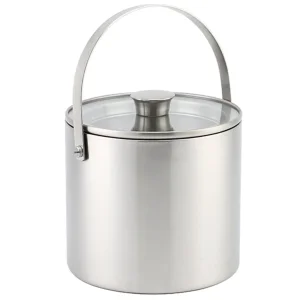
Within the international commercial hospitality space, the performance of luxury temperature maintenance systems represents a key touchpoint for brand prestige and product presentation integrity. The simple ice vessel has transitioned from an unstructured container into an engineered thermodynamic system. High-capacity commercial entities, luxury banquet operations, and global wine distribution networks demand cooling architectures that maintain optimal serving temperatures over extended operational windows without structural degradation or condensation failure.
Modern procurement strategies require an understanding of how material selection governs long-term asset lifecycle values. Traditional single-wall containers systematically fail to maintain internal structural microclimates, leading to fast atmospheric thermal transfer and high condensation rates. This compromises surface presentation standards and causes rapid ice degradation. Advanced high-capacity wine ice buckets address these issues by using double-wall vacuum isolation, stabilizing internal thermal currents and eliminating surface sweat vectors.
Furthermore, metallurgy selection determines mechanical impact performance and chemical oxidation defenses. Premium commercial large-format wine buckets require austenitic SS304 formulations featuring a balanced matrix of Chromium (minimum 18%) and Nickel (minimum 8%). This chemical baseline establishes a self-healing chromium oxide passivation barrier that prevents structural corrosion when exposed to low-pH fruit acids, sanitizing agents, and highly chlorinated mineral ice melt pools common in high-volume hospitality environments.
Verified laboratory criteria analyzing premium materials versus low-tier alternatives to guide global procurement choices.
| Performance Metric Parameters | Premium SS304 (Automated Grade) | Standard SS201 (Economy Tier) | Industrial Impact Advantages |
|---|---|---|---|
| Chromium / Nickel Ratio | 18.2% Cr / 8.1% Ni | 14.3% Cr / 1.2% Ni | Prevents localized pitting and crevice corrosion under stress. |
| Thermal Containment Endurance | > 6.5 Hours (Ice Solid Integrity) | < 2.2 Hours (Rapid Solid Decay) | Reduces ice replenishment frequency during commercial events. |
| Condensation Mitigation Index | 99.8% Condensation Free | 34.2% (Heavy Condensation) | Protects presentation furniture and prevents slip hazards. |
| Tensile Strength Profile | ≥ 515 MPa | ≥ 310 MPa | Resists structural deformation from high-impact usage. |
Analyzing procurement expectations across international purchasing divisions, volume distributors, and hospitality networks.
Sourcing strategies for high-capacity cooling equipment differ significantly between general consumer buyers and B2B procurement managers. Professional hospitality buyers evaluate total cost of ownership (TCO), production scaling consistency, and regulatory risk compliance. When a global distributor searches for high-capacity wine chilling systems, their intent covers production tolerances, finish quality durability, logistical security, and custom branding application resistance.
Demands standardized dimensions for banquet cart compatibility, high structural dent resistance, and ergonomic grip positions to minimize staff fatigue during high-volume events.
Focuses on precise dimensional tolerances, custom surface finishing options (PVD, mirror, or brushed finishes), and laser-engraving durability that withstands commercial dishwashers.
Requires space-efficient nestable nesting designs to optimize maritime container volumes, reducing cross-border landed shipping costs per unit.
To satisfy these targeted enterprise parameters, manufacturing processes must move away from manual artisan methods toward automated, high-precision hydraulic forming. Variations in structural wall thickness or base weight can cause imbalance issues during transport or uneven thermal cooling profiles. TOPIDEASGLOBAL achieves consistent performance characteristics across production volumes by using automated deep-drawing systems linked with digital material monitoring networks.
A statistical overview of our manufacturing capacity, quality milestones, and supply chain capability from 2010 through 2025.
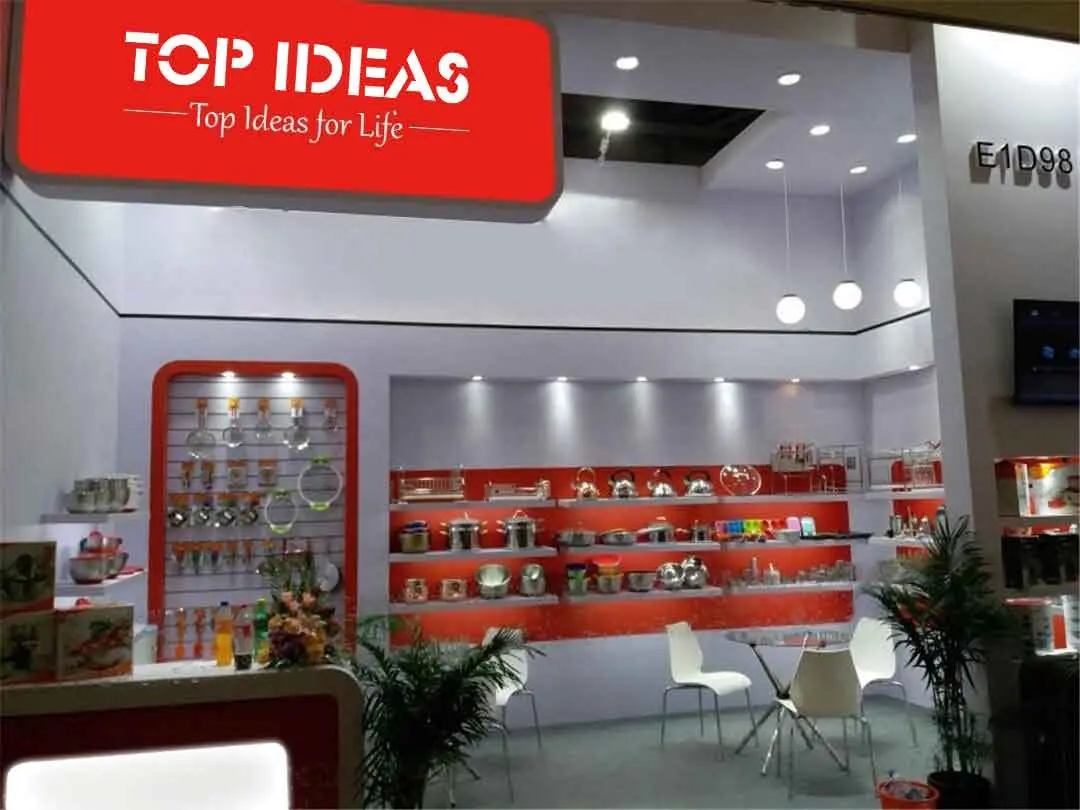
An inside look at our advanced production facilities, showing how automation ensures consistent high-volume delivery.
TOPIDEASGLOBAL (operating via its initial industrial foundation "Win Top Industry") has structured its core manufacturing facility around fully integrated automated assembly processes. This choice eliminates production quality variations caused by manual metal working. High-tonnage hydraulic deep-drawing presses form the structural shells from single metal blanks, preventing weld line vulnerabilities and structural fatigue points under stress.
Our automated welding lines use robotic fiber laser welding systems working inside inert gas chambers. This approach produces clean, precise joints that prevent water ingress into the insulation space, avoiding a common cause of thermal insulation failure in lower-grade products.
Our engineering division operates a dedicated prototyping and simulation department, allowing us to manage complex OEM and ODM requests with short development lead times. Using multi-axis CNC tooling equipment and digital finite element analysis (FEA), we test structural strength profiles, load balance ratios, and thermal performance characteristics before building full production tooling systems.
This research capability allows us to offer specialized physical features, such as custom acoustic dampening rings that reduce service noise in quiet dining environments, or reinforced handle mounts designed to handle high mechanical stress when carrying heavy loads of ice and large-format wine bottles.
Tracking our evolution from a regional metal component manufacturer to a multi-channel global supply chain partner.
Protecting global enterprise brands through material testing, safety certifications, and audited factory standards.
Cross-border commercial procurement requires strict compliance with international food-contact material regulations. Products must meet the standards of agencies such as the FDA, LFGB, and European Union framework protocols. Non-compliant materials can contain heavy metal impurities or toxic surface residues, creating significant legal and brand financial risks for importers.
TOPIDEASGLOBAL uses a multi-tier quality assurance framework throughout the entire production lifecycle, including:
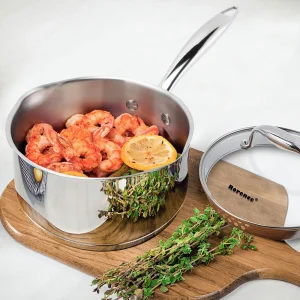
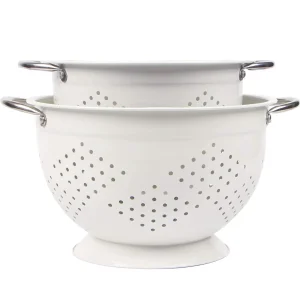
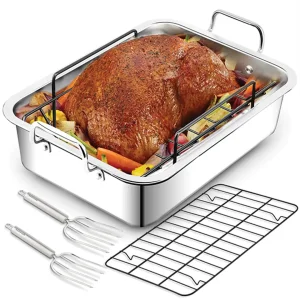
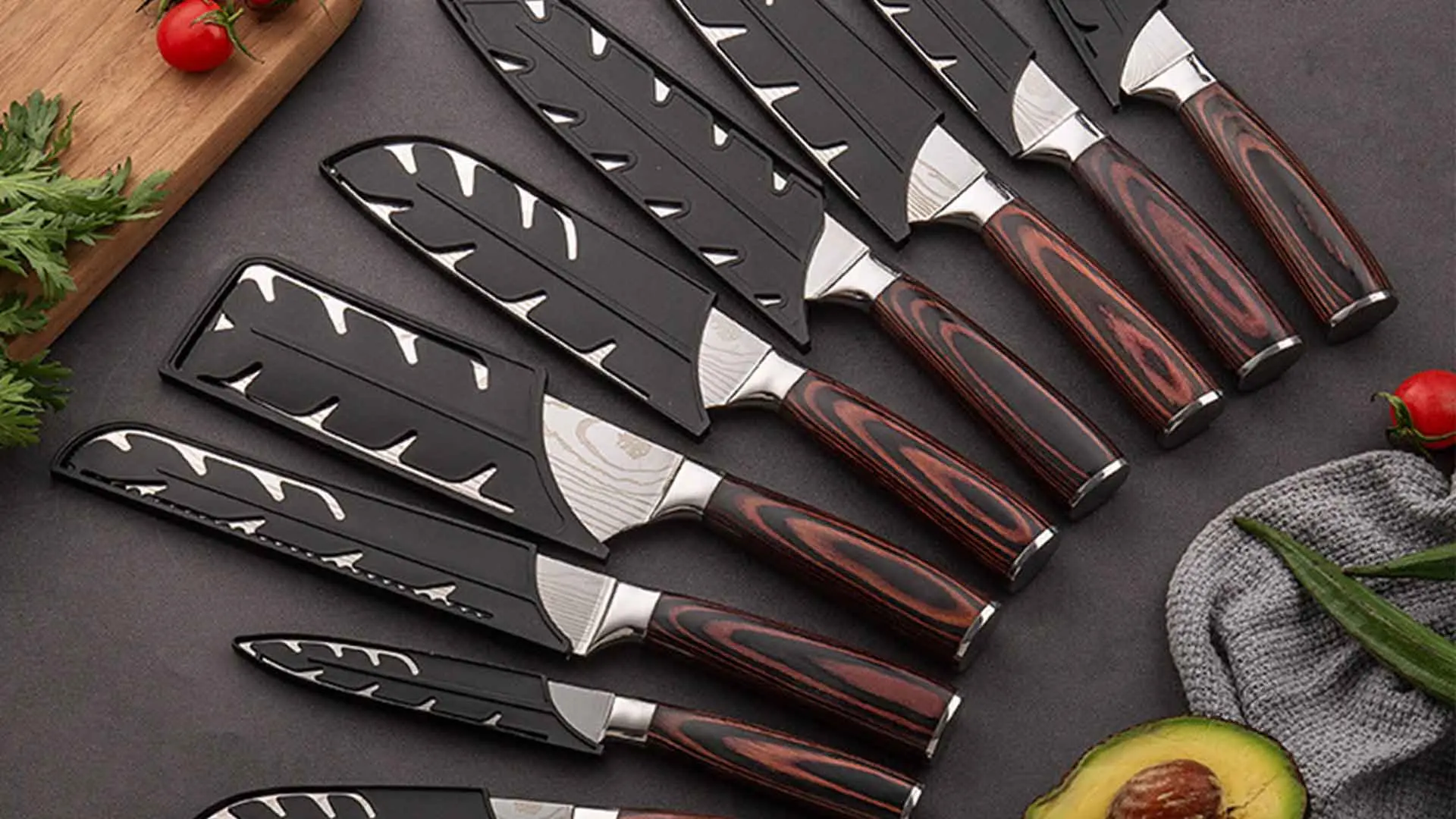
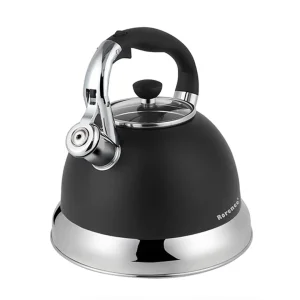
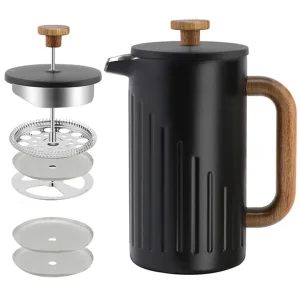
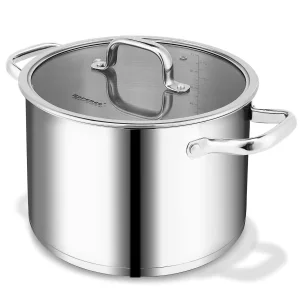
Our product portfolio extends beyond high-capacity thermal ice buckets to include specialized steel cookware elements, premium multi-piece prep sets, and custom bar accessories. By working with multiple high-grade base materials, we allow distributors to source coordinated product lines that align with specific regional market aesthetics.
We partner directly with volume e-commerce sellers, contract hospitality distributors, and global consumer brands. By removing intermediate brokerage layers, we optimize cost structures and maintain clear, direct communication on technical requirements from design through final delivery.
Future development plans for luxury commercial chilling equipment over the 2025–2030 cycle.
The hospitality equipment landscape continues to evolve through advancements in material science and tracking technologies. As a forward-looking manufacturer, TOPIDEASGLOBAL invests in research to integrate next-generation capabilities into our high-capacity commercial chilling lines.
Our long-term technical development roadmap focuses on three primary areas:
While double-wall vacuum structures effectively prevent ambient heat transfer, they do not actively remove heat energy from warm bottles. Our engineering division is researching thin-film phase-change liners that sit between the steel walls. These materials absorb ambient thermal energy at specific temperature thresholds, extending thermal holding times without adding unnecessary weight or reducing interior storage volumes.
High-capacity luxury event venues frequently experience inventory loss during large banquets. Future premium product lines will support embedded RFID tracking tags, allowing automated inventory management systems to track assets across large facilities in real-time, reducing operational losses.
In response to international environmental regulations, our finishing processes are shifting toward zero-emission surface treatments. We are expanding our use of advanced closed-loop PVD (Physical Vapor Deposition) coating lines, which provide highly durable color finishes without generating the hazardous liquid waste associated with traditional electroplating methods.
Direct answers to technical questions commonly asked by procurement professionals, import managers, and distribution networks.
Explore our full range of high-performance commercial and domestic hardware solutions designed for international distribution networks.
 Top Ideas