In today's health-conscious world, choosing the safest cookware set is essential. Reports indicate that cookware can leach harmful chemicals, impacting food quality and safety. For instance, studies show that non-stick coatings may release toxins at high temperatures. This concern drives consumers towards options that prioritize both functionality and health.
A recent survey highlighted that 64% of home cooks are seeking safer alternatives. They want cookware that does not compromise their well-being. This demand leads to a surge in eco-friendly materials like stainless steel, cast iron, and ceramic. Such options are gaining traction due to their durability and safety profiles.
Yet, not all "safest cookware sets" are created equal. Some brands may boast safety features without substance. Consumers must scrutinize labels and research materials to ensure genuine safety. A critical look at product claims is necessary for informed choices. Ultimately, the right cookware can make a significant difference in promoting a healthier cooking environment.
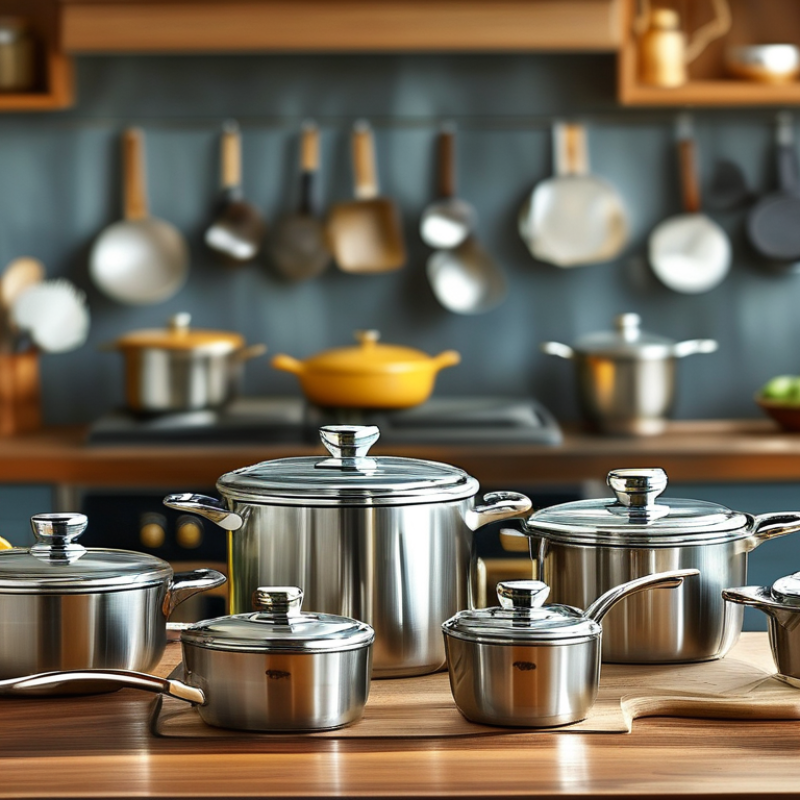
Cookware safety is a critical factor in promoting healthy cooking. The materials used in cookware can significantly impact our health. Studies show that certain metals, such as aluminum, can leach into food when heated. As a result, using non-reactive materials is essential for safe cooking. Reports indicate that consumers should avoid cookware with harmful coatings or additives. This knowledge empowers individuals to make informed choices.
In 2020, the EWG reported that some nonstick coatings contain perfluorinated chemicals. These chemicals can disrupt hormones and potentially lead to health issues. Awareness of potential risks is crucial for safe cooking. Choosing stainless steel, cast iron, or glass cookware can minimize these risks. These materials offer durability and are less likely to leach harmful substances into meals.
However, many consumers overlook the importance of clean cookware. Residues from previous cooking can contaminate new dishes. Regular maintenance is vital for ensuring safety and health. Proper cleaning methods, such as using non-toxic cleaners, can enhance the longevity of cookware. Consumers should reflect on their habits and prioritize safe, healthy cooking practices.
When it comes to cookware, safety is a major concern. Various materials release harmful chemicals that can interfere with our health. For instance, studies indicate that non-stick coatings often contain perfluorinated compounds, which can lead to serious health issues. The Environmental Protection Agency (EPA) has linked these substances to developmental problems and increased cancer risk.
Stainless steel is a popular choice, but it’s not without pitfalls. High-temperature cooking can cause metals like nickel and chromium to leach into food. A study published in the Journal of Food Science found that about 5% of nickel can migrate from cookware to food when heated. While cast iron cookware is often praised for its durability, it can release excess iron into meals, which may not be safe for everyone.
Ceramic cookware might seem safer, but not all ceramics are created equal. Some contain lead and cadmium, which are hazardous. The FDA has set strict standards, yet testing shows that some products still exceed safe limits. This is why consumers must be vigilant about the materials used in their cookware. Understanding these risks can guide healthier cooking and eating habits.
When choosing safe cookware sets, there are several key features to consider. Materials matter significantly. Look for options made from stainless steel, ceramic, or glass. These materials do not release harmful chemicals during cooking. They also resist stains and scratches, ensuring a longer lifespan. Non-stick surfaces can be convenient, but they should be free of toxic substances like PFOA and PTFE.
Another important feature is heat conductivity. Good cookware heats evenly. This ensures that your food cooks properly. Uneven heating can lead to overcooked or undercooked meals. Weight can be an indicator of quality. Heavier pots and pans often provide better heat retention.
Safety also extends to handles. Look for cookware with sturdy, heat-resistant handles. These reduce the risk of burns while cooking. Some sets include lids that fit tightly. This can prevent splatters and retain moisture in your dishes. Keep in mind that no cookware is perfect. Always check for signs of wear and damage. Regularly replacing worn-out pieces is essential for maintaining safety in your kitchen.
| Cookware Type | Material | Safe for High Heat | Oven Safe Temp | Dishwasher Safe | Non-Stick |
|---|---|---|---|---|---|
| Frying Pan | Stainless Steel | Yes | 500°F | Yes | No |
| Saucepan | Cast Iron | Yes | 600°F | No | No |
| Stock Pot | Anodized Aluminum | Yes | 400°F | Yes | Yes |
| Baking Sheet | Silicone | Yes | 450°F | Yes | Yes |
| Dutch Oven | Enameled Cast Iron | Yes | 500°F | No | No |
| Grill Pan | Stainless Steel | Yes | 500°F | Yes | No |
| Wok | Carbon Steel | Yes | 600°F | No | No |
| Pressure Cooker | Aluminum | Yes | 400°F | Yes | Yes |
| Sauce Pot | Glass | No | 350°F | Yes | No |
| Rice Cooker | Stainless Steel | Yes | 400°F | Yes | Yes |
When it comes to healthy cooking, choosing non-toxic cookware is essential. The right materials can greatly impact your cooking experience. Many industry experts recommend ceramics, stainless steel, and glass as the safest options. These materials do not leach harmful chemicals into your food. They provide an effective cooking surface without the risks associated with traditional non-stick coatings.
Tips: Always check for certifications that prove cookware is free from harmful substances. Avoid products with synthetic coatings, as these can degrade over time. Consider how the cookware retains heat. Several materials provide even heating, which can enhance your culinary results.
While making choices, it’s also good to reflect on your cooking habits. Some materials require special care to maintain their integrity. For instance, certain ceramics can chip or scratch easily. Be mindful of how you use and clean your pans. Simple adjustments can prolong the life of your cookware and ensure safer meals for you and your family.
When selecting a cookware set, safety and health considerations are paramount. The right cookware can significantly reduce exposure to harmful chemicals. Non-toxic materials like stainless steel, ceramic, and cast iron are top choices. These materials provide durability and facilitate healthy cooking. However, beware of misleading labels. Some products may claim to be safe but contain questionable substances.
Tips: Always check for heat resistance. Cookware that can withstand high temperatures is generally safer. Look for sets free from PFOA and PFOS, known harmful chemicals. Furthermore, consider the weight of the cookware. Heavier pans tend to distribute heat more evenly, preventing hot spots that can lead to food burns.
Another key aspect involves maintenance. Some safer cookware requires special care to avoid scratches or damage. Taking the time to read care guidelines can prolong the life of your investment. Still, even the safest materials can wear over time, leading to potential issues. Regularly inspect your cookware for any signs of damage. This step is critical in ensuring your cooking remains safe and healthy.
: Cookware materials significantly impact health. Using non-reactive materials prevents harmful substances from leaching into food.
Avoid cookware with harmful coatings or additives. Non-stick coatings often contain disruptive chemicals.
Stainless steel, cast iron, and glass are safer options. They are less likely to release harmful substances.
Regularly clean your cookware using non-toxic cleaners. Residues from previous meals can contaminate new dishes.
Yes, high-temperature cooking can cause nickel and chromium to leach into food, posing health risks.
Not all ceramics are safe. Some may contain lead and cadmium, which exceed safe limits despite regulations.
Look for certifications that show cookware is free from harmful substances. Avoid products with synthetic coatings.
Certain materials need special care. Avoid scratching or chipping ceramics to maintain safety and effectiveness.
It can release excess iron into meals, which may pose risks, especially for individuals with certain health conditions.
Be mindful of how you use and clean your cookware. Simple changes can enhance durability and safety.
When it comes to healthy cooking, choosing the safest cookware set is essential for minimizing health risks associated with harmful materials. This article emphasizes the significance of understanding the potential dangers lurking in common cookware, such as those made from toxic metals or chemicals. It highlights key features to consider when selecting safe cookware, such as non-reactive surfaces and non-toxic materials.
Additionally, the article provides industry recommendations for non-toxic cookware options, ensuring that consumers can make informed choices. A comparative analysis of the top 10 safest cookware sets available today is included, helping readers identify the best options for a healthy kitchen. By prioritizing safety in cookware, home cooks can enhance both the quality of their meals and their overall well-being.

Top Ideas