2026 How to Choose Non Toxic Non Stick Cookware Safely?

Time:2026-06-16 Author:Charlotte
0%

When selecting Non Toxic Non Stick Cookware, safety and health should be your top priorities. Many consumers overlook the potential dangers of traditional non-stick surfaces. Research indicates that certain coatings may release harmful chemicals when heated. This raises concerns about long-term health effects on you and your family.

In a market flooded with options, it is essential to understand what qualifies cookware as "non-toxic." Brands often highlight safety features, but not all claims are created equal. Look for reputable certifications and materials that are tested for safety and durability. Some materials, like ceramic or seasoned cast iron, are good alternatives that offer non-stick properties without toxic substances.

Choosing Non Toxic Non Stick Cookware requires careful consideration of materials and brands. Reflecting on your cooking habits can also guide your decisions. Consider how often you cook at high temperatures and what types of food you prepare. This will help you select the cookware that best suits your needs while ensuring safety and well-being.
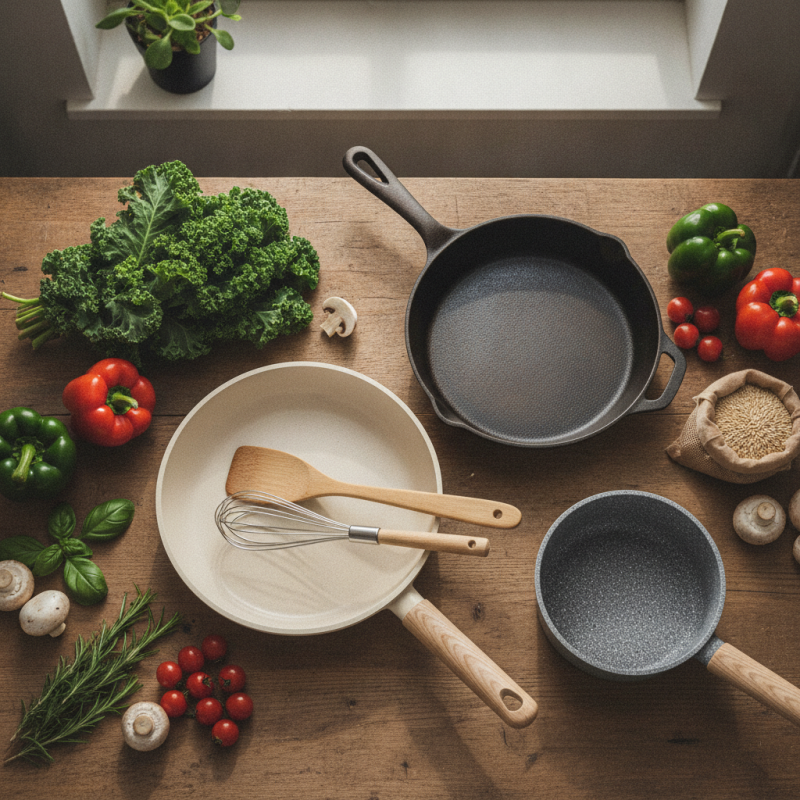
2026 How to Choose Non Toxic Non Stick Cookware Safely?

Understanding Non-Toxic Non-Stick Cookware: Importance and Benefits

When it comes to non-toxic non-stick cookware, understanding its significance is crucial. Many people are unaware of how traditional non-stick materials can release harmful chemicals when heated. This is why opting for non-toxic alternatives is essential for health-conscious cooking.

Non-toxic non-stick cookware often features materials like ceramic or silicone. These alternatives provide the same ease of cooking without the risks associated with traditional coatings. A well-chosen non-toxic option can reduce the chances of chemical leaching into food. However, not all products marketed as "non-toxic" are equally safe. It's important to research brands and scrutinize ingredients closely.

Choosing the right cookware involves more than just selecting a trendy item. It requires awareness of the cooking methods and temperatures you typically use. Some non-toxic options may not withstand high heat. This limitation can lead to wear over time. Regularly evaluating your cookware’s performance and durability is wise. Cooking should promote health, not compromise it.

Key Materials for Non-Toxic Non-Stick Cookware: A Comprehensive Guide

When selecting non-toxic non-stick cookware, understanding materials is crucial. Many traditional non-stick surfaces contain harmful chemicals like PTFE and PFOA. These substances can release toxic fumes at high temperatures, raising health concerns. Research shows that prolonged exposure to these chemicals may lead to serious health issues.

In contrast, safer materials like ceramic and silicone offer excellent non-stick properties without the associated risks. Ceramic coatings are derived from natural materials. They are free of heavy metals and chemical additives, making them a safer choice. Reports indicate that ceramic cookware can withstand higher temperatures without degradation, maintaining its integrity for longer periods.

Additionally, cast iron and stainless steel are durable alternatives. These materials do not leach harmful substances when heated. However, they require proper maintenance to prevent sticking. Newer technologies in cookware design aim to enhance user experience while prioritizing safety. Choosing the right cookware involves balancing performance and health. It's essential to research and understand the product specifications, ensuring safety in your kitchen.

Identifying Safe Non-Stick Coatings: What to Look For

Choosing safe non-stick coatings for cookware can be challenging. Many options promise convenience but may come with hidden dangers. It's essential to understand what to look for in non-toxic non-stick cookware to protect your health and the environment.

When evaluating non-stick surfaces, opt for those free from PTFE and PFOA. These compounds can release harmful fumes when overheated. Instead, consider ceramic or silicone coatings as safer alternatives. Always check for certification marks that indicate safety and eco-friendliness. Look for cookware that has passed safety tests and has a good reputation in the market.

It's easy to overlook details. For instance, color and texture don’t always reflect safety. Simply choosing a bright, shiny surface isn't enough. Regular inspection is important. Over time, coatings can wear down, leading to potential health risks. Be mindful of scratches or peeling, as these signs indicate it's time to replace your cookware. Prioritize durability and always follow the manufacturer's care instructions for the best results.

Evaluating Brand Credibility: Trustworthy Manufacturers of Cookware

When evaluating cookware manufacturers, brand credibility is crucial. Reliable companies prioritize safety and innovativeness. They often display certifications from recognized safety organizations. Look for seals like the FDA and NSF, which indicate that the products meet strict safety standards.

Research shows that 70% of consumers consider brand trust when purchasing cookware. Insight from the Cookware Manufacturers Association reveals that brands with transparent sourcing and manufacturing practices have stronger market loyalty. For instance, a study published in the Journal of Consumer Research indicates that consumers are more likely to choose brands with clear ingredient labels. They trust brands that disclose information about their production processes.

However, not all well-known brands guarantee safety. Some may have histories of controversies regarding materials. Be cautious and read consumer reviews. Multiple complaints about a brand's safety could be a red flag. Thoroughly investigating brand credibility can lead to better purchasing decisions and healthier cooking experiences.

Maintenance and Care Tips for Long-Lasting Non-Toxic Non-Stick Cookware

Maintaining non-toxic non-stick cookware requires mindful practices. The right care extends the life of your pots and pans. Always use silicone, wooden, or plastic utensils. Metal tools can scratch the surface, leading to a reduced non-stick quality.

Cleaning is another crucial aspect. After cooking, let your cookware cool down. Avoid drastic temperature changes. Use warm water and a gentle sponge. Harsh detergents can damage the coating over time. Rinse thoroughly to remove any soap residue.

Store your cookware carefully. Stacking pans can cause scratches. Consider using pan protectors to avoid friction. Check for any wear regularly. If you notice peeling or discoloration, it might be time for an upgrade. Investing in proper maintenance habits ensures your cookware stays safe and functional for a long time.

2026 How to Choose Non Toxic Non Stick Cookware Safely? - Maintenance and Care Tips for Long-Lasting Non-Toxic Non-Stick Cookware

Cookware Material Non-Toxic Certification Durability (Years) Care Tips Price Range ($)
Ceramic PTFE-free, PFOA-free 5-10 Avoid metal utensils; hand wash recommended 20-100
Cast Iron Naturally non-stick when seasoned 10-20 Season regularly, avoid soap 30-200
Stainless Steel with Non-Stick Coating PFOA-free coating 5-15 Use medium heat, avoid high heat cooking 40-150
Hard-Anodized Aluminum PFOA-free 7-12 Hand wash and avoid metal utensils 30-120
Bamboo Cookware Natural, chemical-free 3-5 Hand wash and air dry 15-60

FAQS

: What should I avoid in non-stick cookware?

: Avoid products containing PTFE and PFOA. These can release toxic fumes when heated.

What materials are safer for non-stick cookware?

Choose ceramic or silicone coatings. They provide non-stick properties without harmful chemicals.

How can I check if cookware is safe?

Look for certification marks. These indicate that the cookware has passed safety tests.

Do all non-stick coatings have the same safety level?

No, not all coatings are alike. Color and texture do not guarantee safety.

What signs indicate that cookware should be replaced?

Watch for scratches, peeling, or wear. These suggest potential health risks.

Is cast iron cookware safe?

Yes, cast iron is safe. However, it requires maintenance to avoid sticking.

How can I ensure my cookware lasts?

Follow care instructions closely. Regular inspection is also crucial to maintaining safety.

Can high temperatures damage non-stick coatings?

Yes, high temperatures can degrade coatings. This can release harmful substances.

What is the significance of using natural materials in cookware?

Natural materials reduce health risks and environmental impact. They are a safer option.

Are newer cookware technologies safer?

Many advanced designs prioritize safety. However, it's essential to research each product.

Conclusion

When selecting Non Toxic Non Stick Cookware, it is essential to understand its importance and benefits for health-conscious cooking. This type of cookware is designed to prevent harmful chemicals from leaching into food, ensuring a safer cooking experience. Key materials often used in manufacturing Non Toxic Non Stick Cookware include ceramic and silicone, which provide effective non-stick properties without the risks associated with traditional coatings.

To ensure safety, consumers should be informed about identifying non-stick coatings that are free from harmful substances. Evaluating the credibility of brands is crucial; opting for manufacturers known for their commitment to safety and quality can make a significant difference. Lastly, proper maintenance and care are vital for prolonging the lifespan of Non Toxic Non Stick Cookware, helping to maintain its non-stick properties while ensuring a healthier cooking environment.


Charlotte

Charlotte

Charlotte is a seasoned marketing professional with a deep understanding of the company's portfolio and a passion for elevating its presence in the market. With a keen eye for detail and a commitment to excellence, she ensures that our professional blog is regularly updated with insightful articles......