Choosing the best Small Cooking Pot in 2026 requires more than comparing shiny finishes and attractive prices. The right pot should match your meals, stove, kitchen space, and cooking habits. A compact saucepan may handle oatmeal, sauces, boiled eggs, and single servings well. However, it may struggle with pasta or thick stews. Size matters. Not always.
This guide examines practical details that affect everyday cooking. We will consider capacity, material, heat distribution, handle comfort, lid design, cleaning, and compatibility with gas, electric, ceramic, and induction cooktops. A 1.5-quart pot can suit one person, while a 2.5-quart model offers more flexibility for small families. Stainless steel often provides durability, but aluminum may heat faster and cost less. Ceramic coatings can release food easily, though careless utensil use may shorten their lifespan.
Real kitchen experience matters here. A pot that feels light on a store shelf may become awkward when filled with soup. A short handle may save cabinet space but become uncomfortable during longer cooking. Check the base carefully. Thin construction can create hot spots, especially when simmering milk or delicate sauces. Even experienced cooks can choose poorly when they focus only on appearance.
We will also discuss reliable safety features, manufacturer information, warranty coverage, and care instructions. Product claims deserve careful checking. The “best” choice is rarely universal, and this guide may not cover every cooking style. Still, these comparisons can help you select a Small Cooking Pot that performs consistently, cleans easily, and earns its place in your kitchen.
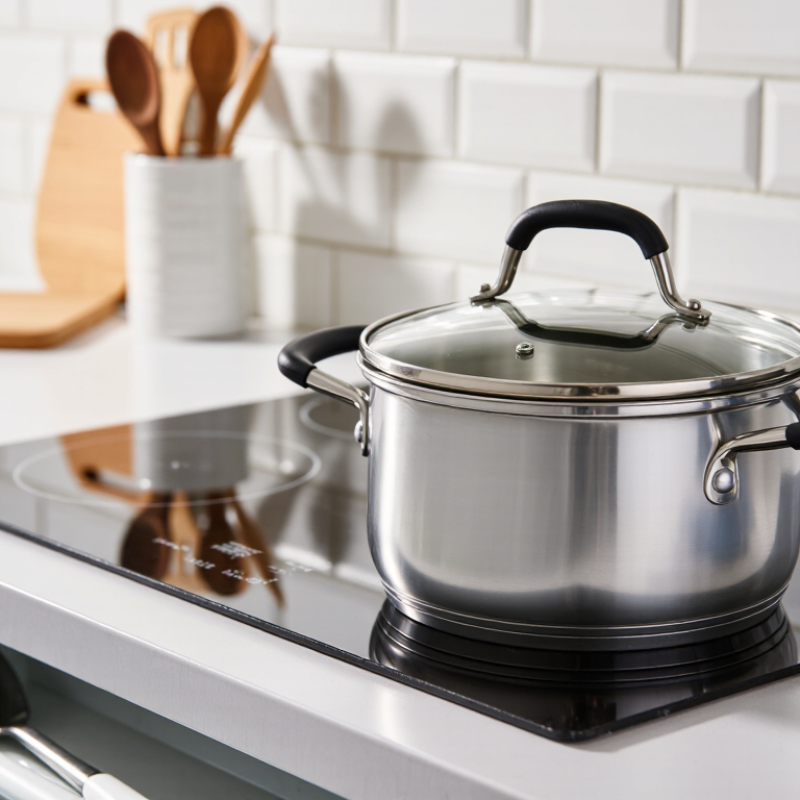
Define Your Cooking Needs and Ideal Pot Size
Choosing a small cooking pot starts with your meals, not the shelf space.
In my kitchen, a 1-quart pot handles one serving of oatmeal, melted butter, or a small sauce. A 2-quart pot works better for two portions of soup, rice, or steamed vegetables. Measure your usual recipes before shopping. A pot that feels “small” may still overflow when pasta water bubbles.
Cooking Frequency & Everyday Use
Think about cooking frequency, too. A narrow pot heats liquids quickly, but a wider base gives grains and sauces more room to cook evenly. If you often prepare eggs, baby portions, or reheated leftovers, choose a size that leaves several centimeters of space above the food. This reduces splashing and makes stirring easier. Check whether the handle stays cool and whether the lid fits firmly. Small details matter.
Material affects control. A thick base usually spreads heat more evenly, while a very thin pot can create hot spots. I once bought a lightweight pot for convenience, but onions browned too quickly near the center. That mistake changed my preference for a slightly heavier design. Still, heavier is not always better if you have limited storage or weak cabinet shelves. Consider your cooktop, hand comfort, and cleaning habits. The best pot is the one that matches your real portions and routine, not an imagined cooking style.
Compare Materials, Coatings, and Heat Compatibility
How to Choose the Best Small Cooking Pot in 2026?
Material affects heating speed, weight, and daily durability. Aluminum heats quickly and suits soups, sauces, and small portions. However, thin aluminum can create hot spots. Stainless steel resists scratching and acidic foods, but it usually needs a layered base for even heating. Cast iron holds heat exceptionally well, although a small pot can feel surprisingly heavy.
Coatings change the cooking experience. PTFE-style nonstick surfaces release eggs easily and need low-to-medium heat. Avoid metal utensils and empty preheating. Ceramic coatings offer a smooth surface, but their release performance may decline sooner than expected. A 2024 report from the U.S. Food and Drug Administration stresses that food-contact materials must remain suitable under their intended conditions. That detail matters more than attractive packaging.
Check the heat source before buying. The U.S. Department of Energy reports approximate cooking efficiencies of 85% for induction, 75–80% for electric resistance, and 32% for gas. Induction therefore requires a magnetic base, usually stainless steel with magnetic construction or cast iron. Confirm the pot works on your actual burner size. A small base on a wide gas flame wastes heat and can damage exterior coatings. I still make this mistake sometimes. Handle comfort matters, too. A heavy lid may improve simmering, but it can make pouring awkward. Look for oven limits, dishwasher guidance, and coating warnings in the technical specification, not only in the sales description.
How to Choose the Best Small Cooking Pot in 2026?
Comparing materials, coatings, and heat compatibility
Heat distribution
Copper and aluminum transfer heat much faster than stainless steel and cast iron, helping small pots respond quickly to temperature changes.
Coatings
Ceramic and PTFE-style nonstick coatings improve release and cleanup, but they are thin surface layers; the base material still determines most heat distribution.
Heat compatibility
Stainless steel and cast iron are generally induction-compatible. Aluminum and copper require a magnetic base for induction cooking. Always check the cookware’s stated oven and stovetop limits.
Typical bulk thermal conductivity at approximately room temperature, measured in watts per metre-kelvin (W/m·K). Actual cookware performance varies with thickness, cladding, construction, and the cooking surface.
Evaluate Handles, Lids, Weight, and Ease of Use
Choosing the best small cooking pot in 2026 requires more than checking its capacity. Handles, lids, weight, and daily comfort often decide whether a pot becomes useful or stays forgotten.
Hold the pot as if it were full. A sturdy handle should feel balanced, not sharply angled or slippery. I prefer a handle with enough space for an oven mitt, because cramped grips can cause spills. Check whether the handle stays cool during stovetop cooking. However, no handle remains comfortable forever. Heat, steam, and wet hands expose weaknesses quickly.
The lid deserves close attention. It should sit firmly without rattling when water simmers. A small vent can reduce pressure, but it may also release useful moisture from rice or sauces. Test the lid with one hand. That matters when the other hand holds a spoon.
Weight is another practical choice. A heavier pot usually feels stable and distributes heat better, while a lighter one is easier to lift and wash. I once chose a very light pot for convenience, but it shifted too easily on a smooth cooktop. That mistake changed my priorities.
Ease of use includes cleaning, storage, and pouring. Look for a smooth interior and edges that do not trap food. A small pouring lip helps with soup, though it may drip if poorly shaped. Measure your cabinet space before buying. Comfort matters more than impressive specifications.
Match Features and Budget to the Best Small Cooking Pot
How to Choose the Best Small Cooking Pot in 2026?
A small cooking pot should match your meals, stove, and spending limit. I learned this after buying a heavy pot for simple weekday soups. It heated slowly and occupied too much cabinet space. For one or two servings, a 1.5 to 2.5-quart capacity usually feels practical. It can handle oatmeal, sauces, rice, and reheating without wasting energy. Measure your storage area before shopping. A pot that fits the shelf matters more than a glossy finish.
Prioritize a thick base, a secure handle, and a well-fitting lid. These features improve heat control and reduce spills. Stainless steel offers durability, while aluminum often costs less and heats quickly. Some pots combine both materials. Check whether the handle stays cool during ordinary stovetop use. Oven compatibility can be useful, but it may raise the price. Do not pay extra for features you will rarely use. A simple lid may perform better than a complicated vent.
Budget shoppers should compare construction, not just capacity. A very cheap pot may develop a loose handle or uneven base. That becomes frustrating after repeated washing. I prefer spending slightly more on a balanced pot with clear care instructions. Still, my judgment is not perfect. A lighter pot may suit an older cook better than a heavier, longer-lasting model. Read the material details and warranty terms carefully. Then test the pot with your everyday recipe, not an imagined one.
How to Choose the Best Small Cooking Pot in 2026? - Match Features and Budget to the Best Small Cooking Pot
A practical comparison of common small cooking pot types, capacities, materials, features, and expected price ranges.
| Pot Type |
Typical Capacity |
Common Material |
Best For |
Useful Features |
Typical Price Range |
Value Rating |
| Basic Saucepan |
0.75–1.5 L |
Aluminum or stainless steel |
Heating sauces, melting butter, cooking small portions |
Long handle, pouring rim, lightweight body |
US$15–35 |
Excellent for basic use |
| Nonstick Small Pot |
1–2 L |
Coated aluminum |
Eggs, oatmeal, milk, delicate foods |
Easy food release, quick heating, simple cleanup |
US$20–50 |
Excellent for convenience |
| Stainless Steel Pot |
1–2 L |
Stainless steel, often with an aluminum or copper core |
Boiling, reheating, acidic sauces, everyday cooking |
Durability, stain resistance, dishwasher compatibility on some models |
US$25–80 |
Best long-term value |
| Cast-Iron Mini Pot |
0.5–1.5 L |
Enameled or seasoned cast iron |
Slow cooking, baking, serving, heat retention |
Excellent heat retention, oven compatibility, sturdy construction |
US$35–100 |
Best for heat retention |
| Milk or Butter Warmer |
0.4–0.8 L |
Stainless steel or aluminum |
Small-volume heating and controlled pouring |
Spout, compact footprint, single-sided handle |
US$12–30 |
Best low-cost option |
| Induction-Ready Mini Pot |
1–2 L |
Magnetic stainless steel or clad metal |
Induction cooking and flexible everyday use |
Flat magnetic base, stable handle, even heating |
US$30–90 |
Best for modern cooktops |
For one person:
Choose about 0.75–1.5 L for sauces, grains, oatmeal, and reheating small portions.
For induction:
Confirm that a magnet sticks firmly to the base and check the minimum pan-size requirement.
For durability:
Prefer thick, stable construction, a securely attached handle, and a flat base.
For easy cleaning:
Nonstick interiors clean quickly, while stainless steel generally offers greater scratch resistance.
Price ranges are approximate 2026 retail estimates in U.S. dollars and vary by construction, included lid, size, finish, and seller. Always check the manufacturer’s care instructions before using a pot in an oven, dishwasher, or on an induction cooktop.
Conclusion
Choosing the best Small Cooking Pot in 2026 starts with understanding your everyday cooking needs, such as preparing sauces, oatmeal, soup, boiled eggs, or single servings. Select a capacity that suits your household without taking up unnecessary storage space. Next, compare materials and coatings for even heating, durability, food safety, and compatibility with your stovetop, including induction if needed. A well-designed pot should also have a comfortable, heat-resistant handle, a secure lid, balanced weight, and an easy-to-clean surface.
Before buying, examine the pot’s actual capacity, construction quality, resistance to wear, and maintenance requirements. Features such as measurement markings, pouring edges, scratch-resistant finishes, and dishwasher compatibility can improve convenience, but they may also affect the price. The ideal choice is one that offers reliable performance, safe handling, long-term durability, and practical cleaning while staying within your budget. By matching essential features to your cooking habits, you can find a compact pot that delivers excellent value and everyday versatility.

 Top Ideas