Choosing the best non-stick cooking pot starts with how you actually cook. A small saucepan for oatmeal has different needs from a deep pot used for soup or pasta. Cooking Pots Non Stick can make stirring and cleanup easier, but the label alone tells you little about everyday performance. Look closely at the pot’s capacity, shape, weight, and compatibility with your stovetop. A flat, stable base matters when a pot sits on a burner, while a comfortable handle makes lifting a full pot less awkward. Small details count.
The coating deserves careful attention. Check the manufacturer’s care instructions, since utensils, high heat, and abrasive cleaning can affect how long a non-stick surface lasts. Some pots are dishwasher-safe; others are not. Don’t assume. Also inspect the lid fit and handle attachment, and consider whether replacement parts or warranty information are clearly available. These practical checks won’t guarantee a perfect purchase, but they can help you compare options with fewer surprises. It is easy to focus on a glossy finish in a product photo. Yet the pot’s balance, usable capacity, and care requirements may matter more after a month of cooking. The right choice is the one that suits your meals and habits, not simply the one with the boldest claims.
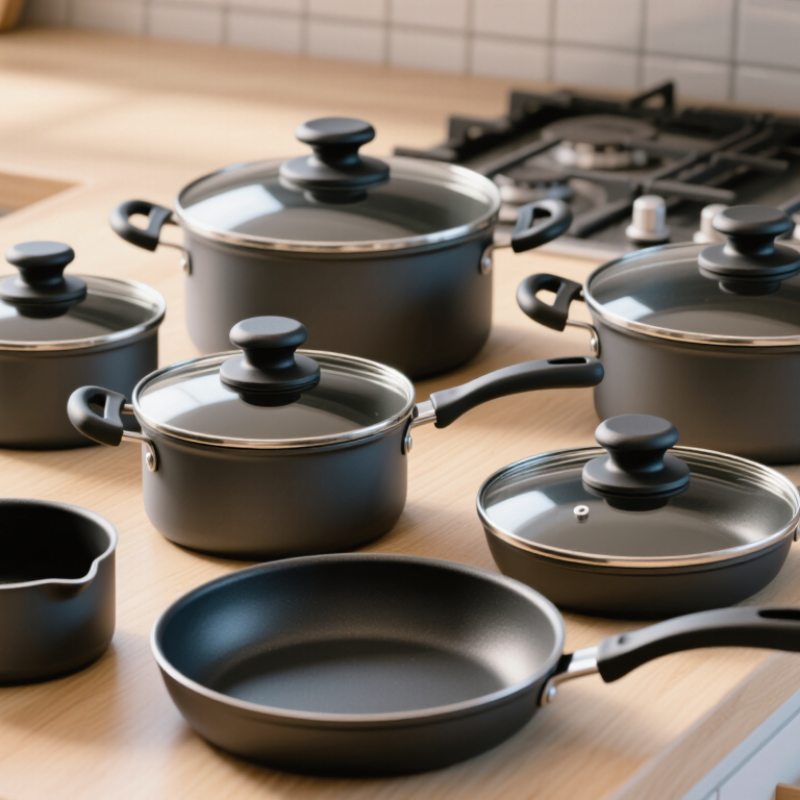
A non-stick cooking pot is designed to release food with less sticking than an uncoated pot. Its cooking surface may use a bonded coating, or it may rely on a naturally low-stick material and finish. The important feature is not just the word “non-stick” on a label. A smooth, intact surface and even heat distribution both affect how food cooks and cleans up. A tomato sauce that slides out easily is a useful sign, but it does not tell the whole story.
The coating should suit the way you cook. Many coated pots work best over low or medium heat, since excessive heat can shorten the surface’s useful life. Use utensils that won’t scratch it, and check the manufacturer’s care instructions. These details sound ordinary. They matter. A pot can be easy to clean yet still heat unevenly, leaving oatmeal stuck in one hot spot while the rest stays thin. Weight, base thickness, and a secure lid also shape everyday performance. I used to think the slickest surface was automatically the best choice. Not quite. A non-stick pot is defined by how its surface, construction, and care needs work together, not by effortless release alone.
| Dimension | What to Look For | Useful Facts | Practical Buying Guidance |
|---|---|---|---|
| Definition | A cooking pot with a surface designed to reduce food sticking and make release and cleaning easier. | The non-stick surface may be a coating, such as PTFE or a ceramic-style sol-gel coating, or a specially finished surface. The pot body and the non-stick surface are separate features. | Check both the body material and the surface type; “non-stick” alone does not explain how the pot is constructed. |
| PTFE-coated surface | A smooth synthetic coating commonly used for easy food release. | PTFE coatings should not be overheated. Heating an empty coated pot can cause temperatures to rise quickly; follow the maker’s temperature and use instructions. | Choose this type if easy release is the priority. Use low-to-medium heat and avoid preheating the pot while empty. |
| Ceramic-style coating | Often a sol-gel coating marketed as ceramic non-stick; it is generally applied over a metal pot body. | It is not necessarily a pot made entirely from ceramic. Coating composition, performance, and care instructions vary by product. | Check the product specifications rather than assuming all ceramic-style coatings have the same durability or heat tolerance. |
| Pot body | Common options include aluminum, hard-anodized aluminum, and stainless steel. | Aluminum conducts heat efficiently. Stainless steel is durable but does not itself make a pot non-stick. Hard-anodized aluminum is a treated aluminum body and may also have a separate non-stick coating. | For responsive heating, consider aluminum; for a durable body, consider stainless steel or hard-anodized aluminum. Confirm whether a separate coating is present. |
| Heat compatibility | A stated maximum temperature and guidance for stovetop and oven use. | Limits depend on the coating, handles, lid, and overall construction. An oven-safe rating does not necessarily mean the pot is suitable for every stovetop or broiler. | Use the product’s stated limits rather than relying on a general temperature range. Check whether the lid and handles have separate limits. |
| Stovetop compatibility | Compatibility with the cooktop used at home. | Induction cooktops require a magnetic-compatible base. Many aluminum pots need a magnetic layer to work on induction. | Look for explicit induction compatibility if using an induction cooktop; do not infer it from the pot’s appearance. |
| Capacity and shape | A capacity and shape suited to the meals prepared most often. | Tall, narrow pots suit liquids and soups; wider pots provide more surface area for reducing sauces or sautéing ingredients. | Compare usable capacity, base diameter, and height with your recipes, storage space, and cooktop size. |
| Handles and lid | Secure handles that are comfortable to grip and a well-fitting lid. | Handle material and lid construction affect oven use, handling, and cleaning. Handles can become hot on the stovetop. | Check whether handles are oven-safe, whether they require a potholder, and whether the lid is included and easy to lift safely. |
| Care and utensils | Clear cleaning instructions and guidance on suitable utensils. | Abrasive cleaners and sharp or metal utensils can damage many coated surfaces. Dishwasher suitability varies by product. | Use non-scratch utensils and gentle cleaning unless the product instructions say otherwise. Hand-washing can help preserve many coatings. |
| Signs of wear | A coating that remains smooth, intact, and easy to clean. | Scratches, peeling, or flaking indicate that a coated pot is damaged. Service life depends on use, care, and product construction. | Follow the maker’s replacement guidance and stop using a pot if its coating is visibly deteriorating. |
| Best overall choice | A pot whose surface, body, size, and care requirements match your cooking habits. | No single coating or body material is best for every kitchen; heat source, cooking temperature, maintenance, and budget all matter. | Prioritize the cooktop compatibility, capacity, heat limits, and care instructions before comparing appearance or extra features. |
It releases food more easily than an uncoated pot. Some use bonded coatings; others rely on naturally low-stick materials. The surface and heat distribution both matter.
No. Sauce sliding out is a useful sign, but it does not show whether heat spreads evenly. Oatmeal may still stick in one hot spot.
Low or medium heat is often suitable. Excessive heat may shorten the coating’s useful life. Avoid heating an empty pot. Keep it gentle.
Choose utensils that will not scratch the surface. Check the care instructions, since coating needs can vary. Scratches matter.
Deep pots suit soups and grains. Wider pots give sauces more room to reduce. Check usable capacity, not just outside dimensions.
A flat, thick base can help distribute heat evenly. Lift the pot if possible. Too heavy may feel tiring; too light may feel less stable. Feel matters.
Handles should feel secure and comfortable, especially when the pot is full. A well-fitting lid can reduce splatter and retain moisture. Small details count.
No. Compatibility and oven limits vary by construction. Check the care guidance before use. I still find comparisons imperfect: a pot that cleans quickly may not suit high-heat searing.
Choosing the best non-stick cooking pot starts with understanding what makes a pot genuinely easy to cook with and clean. Its material and coating influence heat distribution, cooking performance, durability, and the care it requires. Consider how you usually cook, how many people you serve, and whether a particular size, shape, or handle design will suit your kitchen. Comparing Cooking Pots Non Stick options by these practical features can help you find a pot that fits your everyday routine.
Before deciding, check that the pot works with your cooktop and that its care instructions and safety guidance match your needs. Think about how it should be cleaned and stored to help maintain its coating, and compare options for construction, comfort, and versatility rather than focusing on one feature alone. The right choice balances suitable materials, useful design, compatibility, and manageable upkeep, making it easier to select a pot you can use confidently and regularly.

 Top Ideas