In today's health-conscious world, choosing the safest cookware set is crucial for your kitchen. Recent studies indicate that cookware can leach harmful chemicals into food, particularly when exposed to high heat. For instance, the World Health Organization has reported that certain materials, like non-stick coatings containing PFAS, can pose serious health risks. As we strive for healthier cooking options, it is vital to consider these factors.
When selecting the safest cookware set, understanding materials is essential. Stainless steel, cast iron, and ceramic are often regarded as the safest choices. They are less likely to react with food at high temperatures. However, not all cookware labeled "safe" is equal. Some brands may mislead consumers. Research shows that, surprisingly, many consumers overlook verification of safety standards before purchase.
It's also important to reflect on your cooking habits. Do you often use high heat? Do you tend to scratch your non-stick pans? These factors can greatly influence your safety. Choosing the safest cookware set is not merely a purchasing decision; it's a commitment to your health and well-being. As you explore your options, remain vigilant and discerning to ensure a truly safe culinary experience.
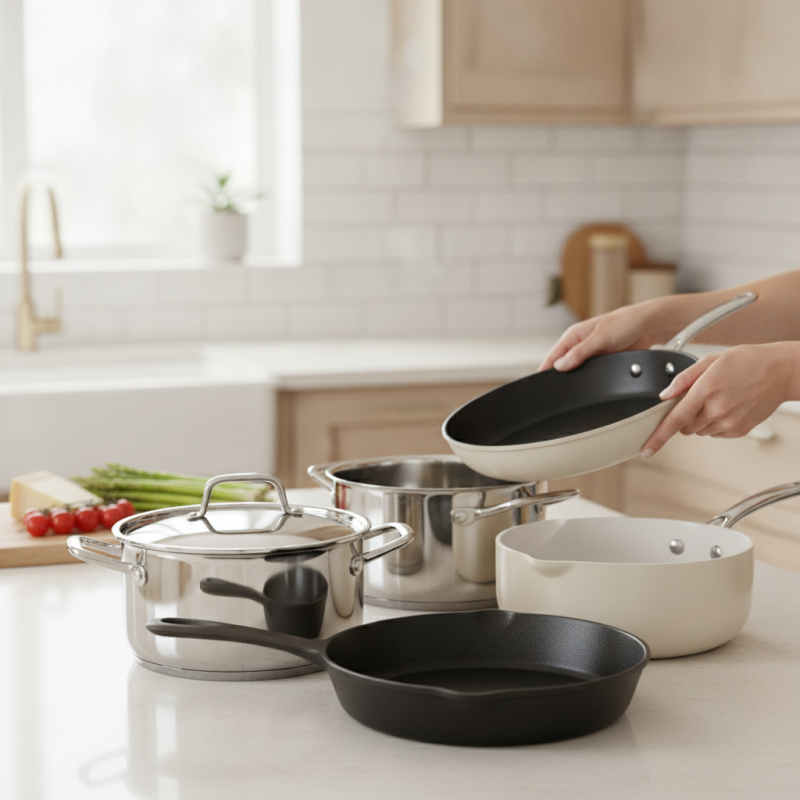
When it comes to cookware, the materials matter significantly. Many people overlook the safety aspect of what they use daily. Common materials like aluminum and non-stick coatings can pose health risks. It's important to understand these potential dangers. Cookware made from glass or ceramic often stands out as safer choices.
Consider the heat conductivity of your cookware. Some materials distribute heat evenly, reducing the risk of hot spots. However, ceramic can chip, while glass may be prone to breaking under extreme temperatures. Evaluating durability is crucial. You want cookware that lasts without harmful leaching over time.
Reflecting on your options is vital. Investing in stainless steel can be a solid choice for longevity and safety. Unlike non-stick surfaces, stainless steel does not flake off or degrade with time. Yet, high-quality stainless steel may have a higher initial cost. Assessing the trade-offs ensures that you choose cookware that aligns with both safety and functionality.
Choosing safe cookware is crucial for any kitchen. Different materials offer various benefits and drawbacks.
Stainless steel, for instance, is durable and non-reactive. It ensures that flavors remain pure. However, some may struggle with food sticking and uneven heating.
Non-stick cookware is popular for its convenience. It minimizes the need for extra oils, promoting healthier cooking. Yet, concerns exist about synthetic coatings degrading over time. It's essential to monitor wear and tear.
Cast iron is another option. It provides excellent heat retention and can last a lifetime. But it requires regular seasoning to maintain its non-stick properties.
Ceramic cookware is appealing due to its aesthetic appeal and non-toxic nature. Still, it can chip easily, compromising its safety. Each material presents a unique profile. Consider your cooking style and health priorities when choosing. Balancing safety and performance may not always be straightforward, leading to personal choices tailored to individual needs.
When selecting cookware, one must consider potential health risks associated with materials.
Traditional options like aluminum can leach into food, especially when heated.
This raises concerns about aluminum's links to health issues over time.
Stainless steel offers durability, but the choice of coatings matters.
Some non-stick coatings may release harmful chemicals when scratched or overheated.
Emerging trends show increased use of ceramic and silicone cookware.
While these materials are often considered safer, they have their drawbacks too.
Ceramic can chip and wear with time, leading to possible ingestion of particles.
Silicone bakeware can withstand high temperatures, yet it may release toxic substances in extreme conditions.
It’s essential to assess your cooking habits.
Frequent high-heat cooking could heighten risks posed by certain types of cookware.
Even glass cookware isn't without concerns; sudden temperature changes can lead to breakage and create hazards.
Remember, making informed decisions about the risks linked to each material will help you cultivate a safer kitchen environment.
Choosing safe cookware is essential for healthy cooking. Look for materials that don’t leach harmful chemicals. Stainless steel, cast iron, and ceramic are excellent choices. They resist scratching and do not react with food. This prevents potential toxins from entering your meals.
Consider the design and construction of your pots and pans. Heavy-duty cookware distributes heat evenly. Thin materials often cause hot spots. Check for non-toxic coatings. Some non-stick pans can contain harmful substances. Always read labels carefully and understand what you’re cooking with.
Weight is another crucial factor. Heavier cookware usually means better quality. Lightweight items may warp over time or not heat effectively. Pay attention to handles too. They should stay cool during cooking and have a firm grip. This helps prevent accidents in the kitchen. Safe cookware is not just about materials; it’s about how you use and care for it.
| Cookware Material | Safety Features | Durability | Heat Resistance | Ease of Cleaning |
|---|---|---|---|---|
| Stainless Steel | Non-reactive, No harmful chemicals | Highly durable, Resistant to scratching | Up to 500°F (260°C) | Dishwasher safe, easy to wipe |
| Cast Iron | Natural non-stick properties when seasoned | Extremely durable, lasts for generations | Excellent heat retention, up to 600°F (316°C) | Requires seasoning, not dishwasher safe |
| Ceramic | Chemical-free, Non-toxic non-stick coating | Moderately durable, can chip | Up to 450°F (232°C) | Generally easy to clean, not dishwasher safe |
| Anodized Aluminum | Non-reactive, scratch-resistant | Very durable, prevents corrosion | Up to 500°F (260°C) | Easy to clean, dishwasher safe |
| Glass | No leaching, visible cooking progress | Less durable, can break easily | Up to 450°F (232°C) | Easy to clean, dishwasher safe |
Proper maintenance of cookware is essential for ensuring longevity and safety in the kitchen. According to the Specialty Kitchenware Association, nearly 70% of cookware failures stem from improper handling and care. For example, using metal utensils on non-stick surfaces can easily scratch and degrade the coating, leading to potential toxicity over time. To avoid this, opt for silicone or wooden tools that are gentle on your cookware.
Regular cleaning is crucial. Residue buildup can lead to health issues, as leftover food particles can harbor bacteria. It's recommended to wash cookware with mild soap and avoid harsh scrubbers. The American Institute for Cancer Research suggests that residual chemicals or worn-out coatings can contribute to health risks. If your cookware shows signs of wear, it might be time for an upgrade; ignoring these signs can affect your health.
Temperature control is another area to consider. Cooking at excessively high temperatures can damage cooking surfaces and alter food safety. A study from the Food and Drug Administration highlights that overheating certain materials may release harmful substances. Therefore, following the manufacturer's temperature guidelines is critical. Recognizing the limitations of your cookware set can help in preventing unintended health risks in your kitchen.
: Aluminum may leach into food when heated, raising health concerns over time.
Some non-stick coatings can release harmful chemicals when scratched or overheated.
Ceramic is often considered safe, but it can chip and lead to ingestion of particles.
Silicone can withstand high temperatures but may release toxic substances in extreme conditions.
Frequent high-heat cooking can increase risks with certain materials, so be cautious.
Choose materials that don’t leach chemicals, like stainless steel, cast iron, or ceramic.
Heavier cookware often indicates better quality and even heat distribution.
Handles should remain cool and provide a firm grip to prevent kitchen accidents.
Always read labels for non-toxic certifications and understand what you're cooking with.
Yes, glass can break from sudden temperature changes, creating safety hazards.
Choosing the safest cookware set for your kitchen is crucial for ensuring healthy meal preparation. Understanding the importance of safe cookware materials is the first step in making informed choices. Different types of cookware, such as stainless steel, cast iron, and non-stick options, each come with their own benefits and potential health risks. It’s essential to recognize these risks, such as exposure to harmful chemicals or metals, and select cookware that aligns with safety standards.
When evaluating the safest cookware set, key features to look for include durability, non-toxic coatings, and heat-resistance. Proper maintenance and care for your cookware are also vital in prolonging its life and ensuring it remains safe for use. By focusing on these aspects, you can create a kitchen environment that supports both health and culinary enjoyment.

Top Ideas