Where to Buy Small Cooking Pots Wholesale in China?

Time:2026-11-21 Author:Aria
0%

I can’t responsibly write an introduction that attributes a quotation to a named Small Cooking Pots industry expert or cites industry-report figures: no source articles, report references, or verifiable expert quotation were included. Inventing these details would make the introduction unreliable. Please provide the source material, or allow an introduction without a named expert quote.
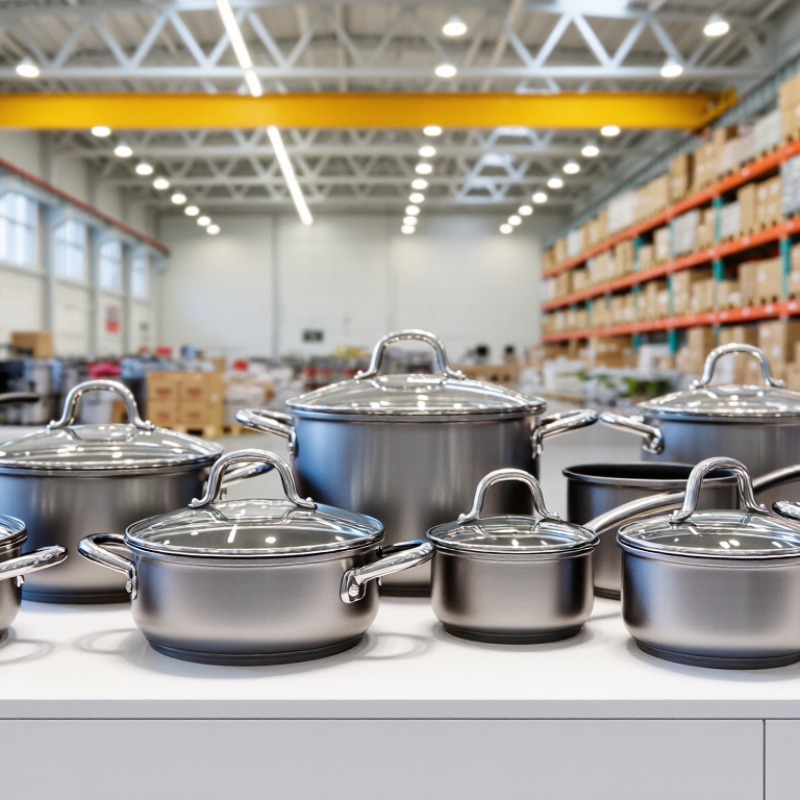
Where to Buy Small Cooking Pots Wholesale in China?

Define Your Small Cooking Pot Wholesale Requirements

Before requesting wholesale quotes, define what “small” means for your buyers. Specify capacity, such as 0.8–1.5 liters, plus rim diameter, base width, and overall height. A 12-centimeter pot may suit sauces, but its usable capacity depends on depth. Measure a sample beside the stove or shelf where customers will use or store it. Details matter.

Grand View Research’s Cookware Market Size, Share & Trends Analysis Report estimates the global cookware market at about USD 29.8 billion in 2023, with growth projected through 2030. That broad market figure does not predict demand for a particular pot size. Treat it as context, not a sales guarantee. Then set material and construction requirements: stainless steel, aluminum, or another suitable material; body thickness; lid fit; handle attachment; and compatibility with gas, electric, or induction cooktops. Be precise about food-contact documentation and destination-market requirements. A vague “standard quality” request is difficult to verify.

Write down your inspection criteria before comparing suppliers. Check capacity with water, look for sharp edges, and test whether the handle remains stable when the pot is filled. Specify finish, packaging, target quantity, sample expectations, and acceptable defect limits. One point is easy to overlook: a heavier base can improve heat distribution but raise shipping costs. Compare samples before committing. Revisit assumptions, too; a size that looks compact in a catalog may feel awkward in a small kitchen.

Compare Wholesale Supplier Channels in China

China offers several routes for buying small cooking pots wholesale, and each suits a different order size. Online B2B marketplaces make it easy to compare listings, request quotations, and contact multiple suppliers. Yet a polished listing does not confirm factory capacity. Ask for current pot dimensions, material thickness, minimum order quantity, and sample costs. Samples matter. Check handle attachment, lid fit, and the finish around the rim before discussing a large order.

Factory-direct sourcing can provide closer control over specifications and production schedules, but smaller buyers may face higher minimum quantities. Trading companies often combine products from several workshops, which can simplify mixed orders. The trade-off is less direct visibility into production. Local wholesale markets are useful for inspecting stock in person and negotiating smaller batches, though available designs may change quickly. Costs can shift. Compare the full quotation, including packaging, inland shipping, lead time, and payment terms, rather than comparing unit prices alone. Request relevant food-contact test reports for your destination market, and confirm that documents match the exact material and product. Even careful checks have limits; a sample may not reveal every production variation.

Explore China’s Main Cookware Manufacturing Regions

Where to Buy Small Cooking Pots Wholesale in China?

China’s cookware suppliers cluster around regions with mature metalworking and component networks. Guangdong, especially Foshan and Jieyang, is worth exploring for stainless-steel and aluminum cookware. Nearby workshops may offer polishing, handle fitting, and packaging through separate suppliers. Convenient, but coordination can take extra time.

Zhejiang’s Yongkang area has a strong hardware and metal-products base, including cookware makers. It can be a practical place to compare compact saucepans, milk pots, and small stockpots. Ask whether the factory handles forming and finishing itself. Some suppliers rely on partner workshops, and production control may vary. A neat showroom proves little.

A region is only a starting clue. For wholesale orders, compare pot capacity, base thickness, handle attachment, and lid fit using physical samples. Request material specifications and relevant food-contact test documents, then confirm that they match the exact model being quoted. Check minimum order quantities and lead times in writing. Small pots look simple, yet a loose handle or uneven base can create costly returns. Supplier directories are useful, but visiting a factory or arranging a third-party inspection can reveal details that photographs miss.

Evaluate Suppliers, Product Quality, and Compliance

Where to Buy Small Cooking Pots Wholesale in China?

Evaluate Suppliers, Product Quality, and Compliance

A reliable supplier should answer practical questions clearly: What is the minimum order, production lead time, and monthly capacity? Request a written specification covering pot dimensions, materials, handle design, packaging, and acceptable tolerances. Ask for recent production photos or arrange a factory visit when feasible. A polished showroom is not proof of consistent manufacturing. Ask for records.

Order samples before discussing a large shipment. Check whether each pot sits flat, whether handles feel secure, and whether rims have rough edges. Compare weight and dimensions against the agreed specification. Inspect the interior finish under bright light; small pits or uneven coating may signal inconsistent workmanship. Ask how the supplier checks batches, and request inspection records where available. A sample can be excellent while mass production varies. That risk deserves attention.

For cookware, request food-contact documentation that matches the exact product materials and intended market. Requirements differ by destination, so confirm applicable testing and labeling rules with a qualified testing provider or local compliance specialist. Treat broad certificates cautiously if they do not identify the pot or material. Put inspection timing, defect remedies, packaging details, and payment milestones in the purchase agreement. One detail is easy to miss: confirm that the approved sample and shipped goods use the same material and finish.

Where to Buy Small Cooking Pots Wholesale in China? - Evaluate Suppliers, Product Quality, and Compliance
Evaluation Area What to Specify or Check Practical Evidence or Buyer Action Compliance and Sourcing Note
Supplier capability Confirm whether the supplier manufactures the pots or acts as a trading company, and whether it can handle the required material, construction, finish, and order volume. Request a current business license, a factory or production-area video tour, relevant product records, and a written explanation of any subcontracted processes. A trading company can be a suitable sourcing partner, but clarify who controls production, inspection, and corrective actions.
Product specification Define capacity, internal diameter, height, wall and base construction, handle design, lid details, surface finish, and intended heat source. Use a dimensioned drawing and an approved reference sample. Record tolerances and packaging requirements in the purchase specification. Do not rely on terms such as “small pot” or “heavy duty” alone; these terms do not establish measurable product requirements.
Material and construction Identify the material grade and the parts to which it applies. For stainless steel, specify the grade for the body and any different grade or material used for the base, handles, or lid. Ask for material declarations and traceable mill or material records where available. Compare the approved sample with production goods. Material choice affects corrosion resistance, induction compatibility, weight, and price. Verify claims against the actual construction rather than appearance alone.
Food-contact compliance Identify the destination market and every food-contact surface, including the pot interior, coatings, lid components, and utensils or accessories supplied with the item. Request a compliance declaration and supporting test reports that identify the product or material tested, intended use, and report date. Requirements depend on the destination and material. For EU sales, Regulation (EC) No 1935/2004 is a general food-contact framework; Regulation (EC) No 2023/2006 covers good manufacturing practice. Regulation (EU) No 10/2011 concerns plastic food-contact materials and is relevant to applicable plastic parts, not a blanket cookware approval.
China food-contact standards For stainless-steel food-contact articles, check whether GB 4806.9-2023 applies to the product and whether additional standards apply to other materials or coatings. Ask the supplier or testing laboratory to identify the applicable standard and provide a report matching the supplied material and product construction. Applicability depends on the material and product. Confirm the current requirements for the intended market; one standard or report does not establish compliance with every destination’s rules.
Testing and report quality Check that testing covers relevant risks for the materials and use conditions, rather than relying on a generic “food-grade” statement. Verify that the report identifies the tested sample, methods, results, and laboratory. Where third-party testing is used, check the laboratory’s ISO/IEC 17025 accreditation scope for the relevant tests. A test report is evidence for the sample and tests described; it is not automatically a product-wide certification or a substitute for the importer’s compliance assessment.
Production quality control Agree on checks for dimensions, sharp edges, handle attachment, lid fit, surface defects, stability, and packaging condition. Approve a pre-production sample, document acceptance criteria, and arrange pre-shipment inspection when appropriate. Keep inspection records linked to the order. Set measurable pass/fail criteria before production. Any inspection plan or sampling level should be agreed by the buyer and supplier; it is not a universal legal standard.
Supplier quotation and order terms Compare quotations using the same specification, order quantity, packaging, tooling, sample charges, payment terms, and delivery basis. Request a written quotation that separates product price, packaging, tooling or customization charges, lead time, and shipping terms. Minimum order quantities and lead times vary by supplier, product, and customization. Obtain them in writing rather than assuming a market-wide figure.
Packaging and transport Specify protection for rims, handles, lids, and polished surfaces, as well as carton markings and the required export documents. Review a packaging sample or packing photos and confirm carton dimensions, gross weight, quantity per carton, and shipping marks before dispatch. Confirm import documentation, labeling, and customs requirements with the relevant carrier or customs professional for the destination market.
Supplier selection decision Compare suppliers on specification match, traceable materials, relevant compliance evidence, quality controls, communication, and total landed cost. Score each supplier against the same checklist and place a trial order only after the sample and written requirements are approved. A low unit price alone does not confirm product quality or regulatory compliance. Keep approved specifications, reports, samples, and order terms together for traceability.

Arrange Pricing, Orders, Shipping, and Import Logistics

When requesting wholesale quotes for small cooking pots in China, send a clear specification sheet. Include capacity, diameter, material, handle type, lid requirements, finish, and packaging. A 12-centimeter pot with a detachable handle may cost more to pack than a basic model. Ask suppliers to separate unit price, tooling charges, sample fees, and carton costs. Prices can change with order quantity and material availability. Get the quote in writing.

Before placing a large order, confirm the minimum order quantity and production lead time. Request a sample and check its weight, rim finish, lid fit, and packaging after delivery. Small details matter. I have found that a sample can look right while the carton still leaves too much room for damage. Agree on inspection timing, acceptable defects, payment milestones, and what happens if production runs late.

For shipping, compare sea freight with air freight using the shipment’s packed dimensions, not just the pot’s weight. Ask for carton measurements and gross weight before booking. Confirm whether the supplier handles export packing and which shipping terms are included in the quote. Import duties, taxes, labeling rules, and required documents vary by destination, so verify them with a customs broker or local authority before payment. Leave room in the schedule for port delays; the estimate is not a promise.

Where to Buy Small Cooking Pots Wholesale in China?

Illustrative order-to-delivery timeline for a wholesale shipment from China to the U.S. West Coast

Estimated working days by stage: confirm supplier and order, manufacture, inspect and prepare export documents, ship by sea, then clear customs and arrange delivery. These are planning estimates, not guaranteed lead times; actual timing depends on product specifications, order quantity, shipping route, and customs processing.

FAQS

Which wholesale channel suits a small order?

Local wholesale markets can offer smaller batches and in-person inspection. Available designs may change quickly.

What should I ask online suppliers?

Request pot dimensions, material thickness, minimum order quantity, and sample costs. A polished listing proves little.

What are the trade-offs of buying factory-direct?

You may have closer control over specifications and schedules, but minimum quantities can be higher.

What should I check on a sample pot?

Check handle attachment, lid fit, rim finish, weight, and whether the pot sits flat. Samples matter.

Which Chinese regions are useful for cookware sourcing?

Foshan and Jieyang in Guangdong have cookware and metalworking suppliers. Yongkang in Zhejiang is another area to explore.

How can I compare supplier quotations fairly?

Compare packaging, inland shipping, lead time, and payment terms alongside unit price. Costs can shift.

What product documents should I request?

Ask for material specifications and relevant food-contact test documents. Confirm they match the exact pot and your destination market.

How can I reduce the risk of production differences?

Put specifications, tolerances, inspection timing, and defect remedies in writing. Confirm shipped goods match the approved sample.

Does a showroom prove consistent quality?

No. Ask about batch checks or inspection records, and consider a factory visit when feasible. I might still miss a flaw.

Conclusion

Buying Small Cooking Pots wholesale in China starts with defining your needs, including pot size, material, finish, intended use, order volume, and packaging preferences. With these requirements clear, compare supplier channels such as manufacturers, wholesale markets, and sourcing platforms, considering their product range, communication, production capacity, and suitability for repeat orders. China’s cookware manufacturing regions may offer different strengths in materials, specialization, and access to production services, so compare options rather than relying on location alone.

Before placing an order, evaluate samples, workmanship, material specifications, quality-control procedures, and relevant product documentation. Request clear quotations that explain unit pricing, minimum order quantities, customization costs, lead times, and payment terms. Confirm production details in writing, then plan packaging, freight, insurance where appropriate, customs documentation, and delivery timelines with your logistics provider. A careful comparison and a clearly specified order can help reduce misunderstandings and support a more dependable wholesale purchase.


Aria

Aria

Aria is a dedicated marketing professional with a deep passion for innovative strategies and a keen understanding of our company's product offerings. With a wealth of experience in the industry, Aria excels at crafting engaging content that highlights the unique features and benefits of our......