Choosing the right Small Cooking Pots can shape a wholesale buyer’s profit, reputation, and customer satisfaction. A compact pot may look simple, yet its materials, capacity, handle design, and heat performance matter greatly. In a busy kitchen, a loose handle or uneven base quickly becomes a costly complaint. Buyers must also consider packaging, shipping weight, replacement rates, and consistent factory quality.
This guide examines seven practical options for wholesale purchasing. Each choice is assessed through usable capacity, stainless steel or aluminum construction, lid fit, cooking compatibility, cleaning needs, and expected retail demand. Product specifications should be verified with samples, not accepted blindly from a catalogue. That lesson comes from real purchasing experience.
A good sample should heat evenly, sit firmly on the cooking surface, and remain comfortable after repeated handling. It should also arrive without scratches, dents, or poorly finished edges. Small details sell products. Sometimes, the cheapest pot creates the highest long-term cost. Freight damage, weak packaging, and inconsistent batches can erase an attractive price advantage.
No pot wins every test. A lightweight model may reduce shipping expenses but feel less durable. A thicker pot may perform better but require stronger packaging and higher freight costs. Wholesale buyers should compare these trade-offs against their market, customer expectations, and target price. The final ranking is useful, but it is not permanent. Supplier audits, updated samples, and honest customer feedback can change the decision.
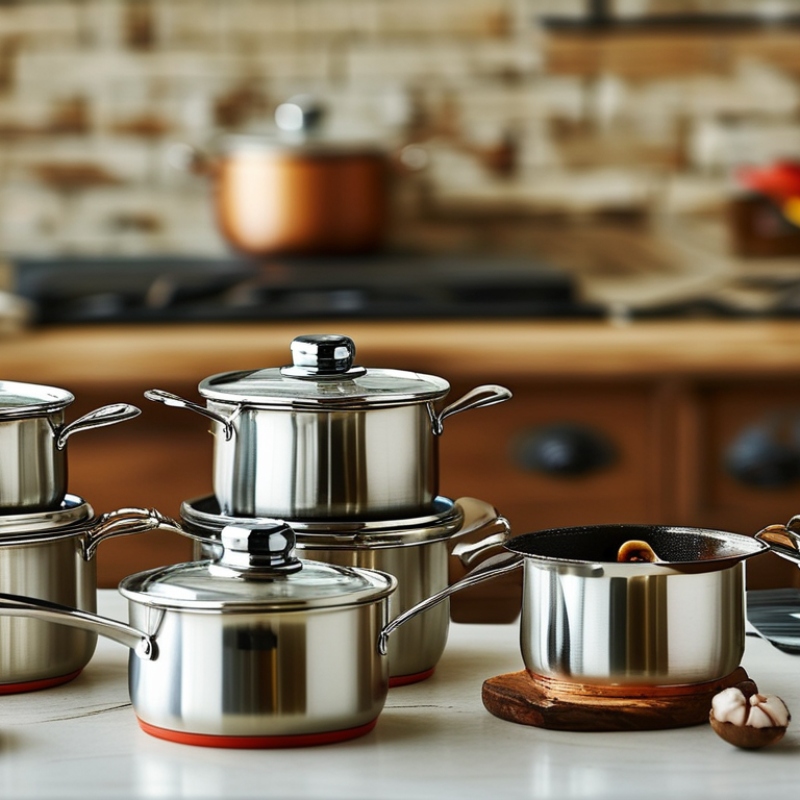
7 Best Small Cooking Pots for Wholesale Buyers
A small cooking pot suits wholesale buyers when it balances capacity, durability, and landed cost. The usual sweet spot is 1 to 3 liters. It serves sauces, grains, soups, and single portions without wasting shelf space. Grand View Research valued the global cookware market at about USD 19.6 billion in 2023. It also forecasts steady growth through 2030. That growth increases opportunity, but weak specifications can create expensive returns.
Material choice needs practical testing. Stainless steel resists corrosion and handles frequent washing. Aluminum heats quickly, although thin walls may warp under repeated commercial use. A 2.0-millimeter base often feels more stable than a lightweight base. Buyers should request heat-cycle tests, handle-load tests, and coating safety documents. ISO 2859-1 provides a recognized sampling framework for inspecting production lots. It is not perfect. Sampling can still miss isolated defects.
Wholesale value also depends on packaging and consistency. A compact pot should stack securely, protect its rim, and fit standard cartons. The International Trade Centre reports that packaging and logistics strongly influence small household-goods export competitiveness. Ask suppliers for carton dimensions, gross weight, defect records, and replacement terms. Check lid fit across several production batches. One attractive sample proves very little. A careful buyer may sacrifice a little shine for stronger handles, clearer labeling, and fewer damaged units. That choice can protect margins better than chasing the lowest factory price.
| Pot Type | Typical Capacity | Typical Diameter | Common Construction | Suitable Heat Sources | Approx. Empty Weight | Wholesale-Friendly Features | Best Use |
|---|---|---|---|---|---|---|---|
| 1-Quart Stainless Steel Saucepan | 0.95 L / 1 US quart | 14–16 cm / 5.5–6.3 in | 18/8 or 18/10 stainless steel; often with an aluminum core or bonded base | Gas, electric, ceramic, and induction when the base is magnetic | 0.55–0.85 kg / 1.2–1.9 lb | Compact size, durable finish, broad consumer appeal, and efficient carton utilization | Heating sauces, melting butter, preparing baby food, and cooking small portions |
| 1.5-Quart Aluminum Saucepan | 1.4 L / 1.5 US quarts | 16–18 cm / 6.3–7.1 in | Hard-anodized or coated aluminum with a stainless-steel induction plate on compatible models | Gas, electric, and ceramic; induction only with a magnetic base | 0.45–0.75 kg / 1.0–1.7 lb | Low shipping weight, fast heat response, and economical entry-level positioning | Oatmeal, grains, sauces, reheating, and single-serving meals |
| 2-Quart Tri-Ply Saucepan | 1.9 L / 2 US quarts | 18–19 cm / 7.1–7.5 in | Three-layer stainless steel and aluminum construction for more even heat distribution | Gas, electric, ceramic, and induction | 1.0–1.35 kg / 2.2–3.0 lb | Premium construction, long service life, versatile sizing, and strong private-label potential | Soups, rice, pasta portions, gravies, and everyday stovetop cooking |
| 2.5-Quart Nonstick Cooking Pot | 2.35 L / 2.5 US quarts | 20–22 cm / 7.9–8.7 in | Aluminum body with a PTFE-based or ceramic nonstick interior; coating specification should be verified | Gas, electric, and ceramic; induction depends on the base design | 0.8–1.25 kg / 1.8–2.8 lb | Easy-release cooking, simple cleaning, attractive retail presentation, and broad household demand | Eggs, vegetables, sauces, one-pot meals, and low-oil cooking |
| 3-Quart Enameled Cast-Iron Pot | 2.8 L / 3 US quarts | 20–22 cm / 7.9–8.7 in | Cast iron with a vitreous enamel interior and exterior coating | Gas, electric, ceramic, induction, and oven use within the maker’s temperature limits | 3.2–4.5 kg / 7.1–9.9 lb | High perceived value, excellent heat retention, durable construction, and gift-market suitability | Stews, braises, baked dishes, bread, and slow cooking |
| 3-Quart Ceramic-Coated Casserole Pot | 2.8 L / 3 US quarts | 20–24 cm / 7.9–9.4 in | Aluminum or steel body with a ceramic-based nonstick cooking surface | Gas, electric, and ceramic; induction compatibility requires a magnetic base | 1.2–2.0 kg / 2.6–4.4 lb | Modern appearance, easy-clean positioning, moderate shipping weight, and color assortment options | Vegetables, grains, sauces, casseroles, and small family meals |
| 4-Quart Stainless Steel Stockpot | 3.8 L / 4 US quarts | 20–22 cm / 7.9–8.7 in | Stainless steel body, commonly with a reinforced or encapsulated aluminum base | Gas, electric, ceramic, and induction when the base is magnetic | 1.1–1.8 kg / 2.4–4.0 lb | Stackable format, durable surface, multi-purpose household use, and efficient assortment building | Soup, pasta, vegetables, broth, blanching, and batch cooking for small households |
: A 1–3 liter pot fits sauces, grains, soups, and single portions. It also saves shelf space. Capacity still depends on your customers’ cooking habits.
Stainless steel resists corrosion and frequent washing. Aluminum heats quickly but may warp with thin walls. Test both before choosing.
Request heat-cycle testing and measure base thickness. A base near 2.0 millimeters may feel more stable. Thickness alone proves little.
Ask for material declarations, migration reports, and heat-test results. Food-contact surfaces should be smooth, corrosion-resistant, and easy to clean. Do not rely on appearance.
Lift loaded pots repeatedly and check every handle joint. Inspect lids across several production batches. Loose handles create returns.
Check for sharp rims, pinholes, rough welds, and peeling coatings. These small flaws can cause customer complaints. Look closely.
Pots should stack securely and protect their rims. Request carton dimensions, gross weight, and internal protection details. A beautiful sample is not enough.
Ask for lead times, defect records, corrective actions, and inspection access. Keep buffer time for busy seasons. Fast replies are not proof.
Request three production samples instead of one. Compare them with the approved sample and review batch records. I may overcheck, but one sample can mislead.
Choosing the right Small Cooking Pots for wholesale purchasing requires more than comparing appearance and price. This guide explains how to assess pot materials, capacities, shapes, handles, lids, heat compatibility, and storage efficiency according to different market needs. It introduces seven practical pot types, including stainless steel, aluminum, nonstick, cast iron, ceramic-coated, sauce, and multipurpose designs, helping buyers match product features with customer preferences and cooking applications.
The article also outlines how to evaluate construction quality, food-contact safety, durability, packaging, and supplier reliability before placing an order. Wholesale buyers will learn how to compare unit pricing, minimum order quantities, customization options, production schedules, shipping arrangements, and quality-control procedures. With careful planning and clear specifications, buyers can select dependable Small Cooking Pots that balance performance, cost, safety, and long-term sales potential.

 Top Ideas