Choosing the 2026 Top Small Saucepan requires more than comparing prices, ratings, or polished product photographs. Global buyers increasingly want reliable heat control, durable construction, safe food-contact materials, and practical storage. These needs reflect wider market changes. Grand View Research valued the global cookware market at approximately USD 19.5 billion in 2023, with continued growth expected through 2030. Its analysis also highlights rising interest in premium, energy-efficient, and multifunctional cookware.
A Small Saucepan may look simple on a showroom shelf. In daily use, its details matter. A two-liter pan should heat evenly across the base. Its handle should remain stable during stirring. The lid should sit securely without trapping excessive steam. For international buyers, product evaluation should also consider stainless-steel grades, coating durability, induction compatibility, packaging quality, and documented food-contact compliance. These practical checks separate dependable cookware from attractive but disappointing alternatives.
This guide compares leading options using measurable criteria, including thermal performance, capacity, weight, cleaning effort, warranty support, and user feedback. Euromonitor and Statista consumer research indicate that online shoppers increasingly examine product specifications and reviews before purchasing household goods. However, market reports have limitations. They often combine cookware categories and may not isolate small pans. No ranking is perfect. Supplier claims also require verification through testing, certifications, and real kitchen experience. The final recommendation therefore balances published data with hands-on considerations, regional cooking habits, and long-term value. It may not satisfy every buyer, but it should make the decision clearer.
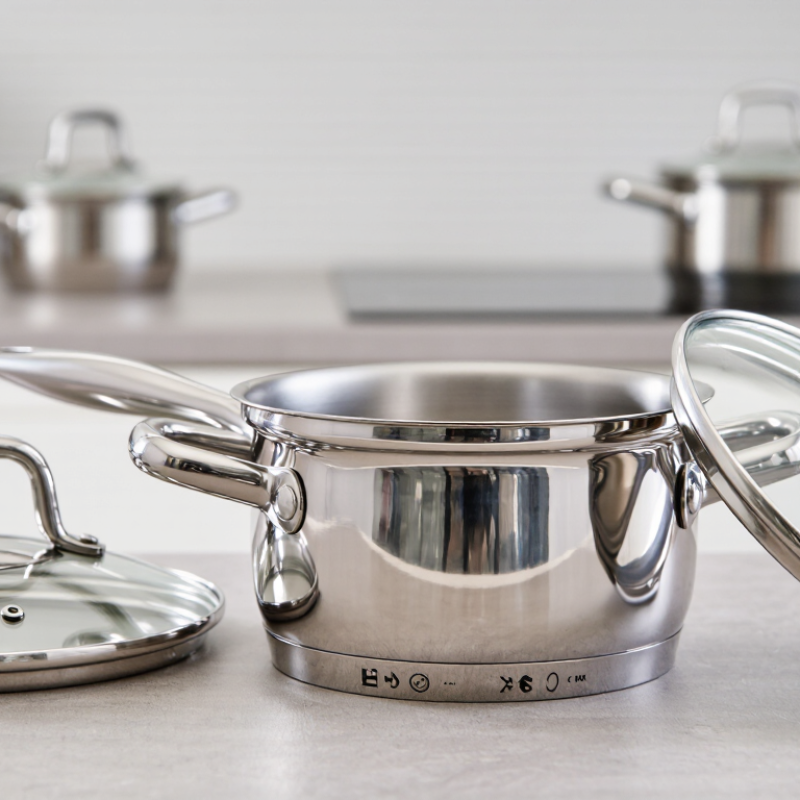
Definition and Role of a Small Saucepan in 2026
What Is the 2026 Top Small Saucepan for Global Buyers?
Definition and Role of a Small Saucepan in 2026
In 2026, a small saucepan usually holds 0.9 to 2.8 liters, or one to three quarts. Its high sides, compact base, and long handle support controlled heating. It suits sauces, grains, milk, eggs, and small vegetable portions. The role is practical. It manages small volumes without wasting energy or storage space. Yet “small” is not universal. A two-liter pan may suit one household, but feel restrictive for another.
Grand View Research estimated the global cookware market at 19.89 billion dollars in 2023. Its report projects a 5.9% compound annual growth rate through 2030. This growth increases product choice, but market size does not prove quality. The U.S. Department of Energy reports that induction transfers about 85% of heating energy to cookware. Gas transfers roughly 32%. Therefore, a flat, magnetic base matters for many global buyers. Regional electricity standards still require careful checking.
A reliable small saucepan should heat evenly, resist warping, and offer a secure handle. A 16 to 18-centimeter diameter often balances control and capacity. Check the base on an induction surface before purchase. Packaging claims can be incomplete. I would not treat a thicker base as automatically better; it may respond slowly and add weight. Practical testing should include simmering milk, reducing sauce, and pouring with one hand. That reveals more than polished product photographs.
Key Features Global Buyers Should Evaluate
What Is the 2026 Top Small Saucepan for Global Buyers?
For global buyers, the top small saucepan is not simply the most expensive model. It should deliver steady heating, safe handling, and reliable everyday performance.
Grand View Research estimates the global cookware market will grow at about 6.5% annually through 2030. Fortune Business Insights gives a similar growth forecast, although its market boundaries differ. This disagreement deserves attention. Market figures are useful, but they cannot replace hands-on testing.
Key Features Global Buyers Should Evaluate
A practical saucepan usually holds 1.5 to 2 litres. That size suits oatmeal, sauces, baby food, and small portions. Look for a thick base with an aluminum or copper core. It should spread heat without creating a scorching circle under the center.
Induction compatibility also matters. Heat control matters. Buyers should check a flat base, a secure lid, and a handle that stays balanced during pouring.
Food-contact safety requires careful verification. The European Commission’s food-contact materials framework and U.S. FDA regulations provide useful compliance references. Documentation should identify tested materials, coatings, and manufacturing controls. A smooth interior helps cleaning, but very smooth surfaces may show marks quickly. That is not always a failure. Global buyers should also compare weight, metric capacity markings, packaging strength, and replacement-part access. A saucepan can perform well in a laboratory yet feel awkward in a narrow kitchen. Personal testing still matters.
Materials, Sizes, and Handle Designs Compared
What Is the 2026 Top Small Saucepan for Global Buyers?
For global buyers, the best small saucepan balances material, capacity, and daily comfort. A 1 to 1.5 litre pan suits sauces, porridge, melted butter, and small portions. A 2-litre model offers more room but feels less nimble on compact cooktops. Check both quart and litre measurements. Labels can be surprisingly inconsistent.
Stainless steel provides durability and neutral flavour, while aluminium heats faster and responds quickly to temperature changes. A layered stainless-aluminium body can offer both strengths, especially for delicate sauces. Induction users should confirm magnetic base compatibility, not just stainless-steel construction. A thick base can reduce hot spots, although it may slow temperature changes slightly. No material wins every kitchen.
Handle design deserves equal attention. A firmly riveted handle feels secure during stirring, but rivets can collect residue. A welded handle cleans more easily, yet some cooks find it less reassuring. Look for a balanced grip, enough clearance from the heat, and a shape that remains comfortable with a wet towel. Long handles help control, while a small helper grip improves stability. I still prefer practical comfort over clever-looking shapes.
Tips: Measure your stovetop and storage space before buying. Test whether the lid handle stays cool enough to lift safely. Check the pan’s empty weight, because heavy cookware can become tiring. For frequent cleaning, inspect seams, corners, and interior markings. These details are easy to overlook.
How to Select the Best Small Saucepan for Different Needs
What Is the 2026 Top Small Saucepan for Global Buyers?
How to Select the Best Small Saucepan for Different Needs
The best small saucepan depends on cooking habits, not fashion. Grand View Research valued the global cookware market at about USD 19.6 billion in 2023. Mordor Intelligence expects continued growth through 2030. This expansion gives buyers more choices, but also more confusing specifications.
For one-person meals, choose a 1–1.5 litre pan with a thick, level base. It should heat evenly on induction, gas, or electric stoves. Stainless steel offers durability and neutral taste. Aluminum heats faster, but it may need a stronger protective layer. For sauces, a rounded interior corner helps prevent food from collecting. For milk or porridge, a pouring rim and comfortable handle matter more than maximum heat.
A small pan can still feel awkward. I have found that lightweight handles often become unstable when the pan is full. That detail is easy to miss in online photos. Buyers should also check the lid seal, rivet quality, wall thickness, and empty weight. FDA food-contact guidance and NSF/ANSI 51 provide useful safety references, although local requirements can differ.
Tips: Match capacity to your usual portion, not your largest recipe. Check the cooking surface diameter before buying. Avoid selecting only by advertised coating life. Independent testing and care instructions deserve equal attention. A five-year warranty sounds useful, but it cannot fix poor heat distribution.
What Is the 2026 Top Small Saucepan for Global Buyers?
How to select the best small saucepan for different cooking needs
Selection guide: A 1.0 L saucepan is the most versatile choice for sauces, oatmeal, reheating, and one-to-two portions. Choose 1.5 L for rice, vegetables, or two-to-three portions, while a 0.5–0.75 L model is better for compact kitchens and small sauce preparations. Capacity bands reflect common small-saucepan sizes; serving estimates use approximately 250 ml per portion and allow practical headroom to reduce splashing.
Conclusion
A Small Saucepan is an essential kitchen tool in 2026, designed for preparing modest portions of sauces, grains, soups, baby food, and other everyday dishes. For global buyers, the best option should combine practical capacity, even heat distribution, comfortable handling, and long-term durability. Important evaluation points include the pan’s material, interior finish, size, weight, lid design, pouring edge, and handle stability. Stainless steel, aluminum, and coated surfaces each offer different advantages in heating performance, maintenance, and food release.
Buyers should also consider compatibility with gas, electric, ceramic, and induction cooktops, as well as heat-resistant construction and secure, ergonomic handles. Compliance with applicable food-contact, safety, and quality requirements is essential for international purchasing. The ideal Small Saucepan depends on its intended use: compact models suit individual portions and limited storage, while slightly larger versions offer greater versatility for family kitchens or professional food preparation. A balanced choice should meet cooking needs, user preferences, safety expectations, and regional market requirements.
 Top Ideas
